
45 Hertz to Megahertz
45 Hz = 0.000045 MHz
Calculation: MHz = 45 Hz × 1 × 10⁻⁶ = 0.000045 MHz
Hertz to Megahertz Converter
How high is 45 Hz?
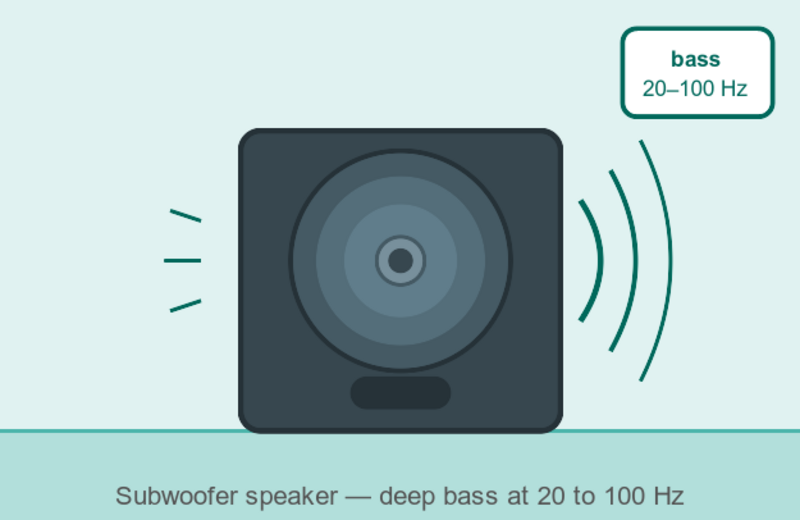
45 Hz is comparable to the deep bass frequencies from a subwoofer.
What does 45 Hz look like?
Did you know? AC mains (Europe/Asia) is 50 Hz.
Europe, Asia, Africa, and most of the world use 50 Hz AC power. The Americas and Japan use 60 Hz.
How to Convert Hertz to Megahertz
1 hertz = 1 × 10⁻⁶ megahertz
Megahertz = Hertz × 1 × 10⁻⁶
Example: 45 Hz × 1 × 10-6 = 4.5 × 10⁻⁵ MHz
Reverse Conversion
To convert megahertz back to hertz:
- Remember, 1 megahertz equals 1000000 hertz.
- To convert 4.5 × 10⁻⁵ MHz to Hz, multiply
4.5 × 10-5 x 1000000, resulting in45 Hz.
45 Hz is also equal to:
- 0.045 kilohertz
- 2700 revolution per minute
About these units
Hertz: SI unit of frequency; one cycle (or event) per second. Symbol: Hz = s⁻¹
Megahertz: SI decimal multiple of hertz; 1 MHz = 1,000,000 Hz = 10⁶ Hz
Frequently Asked Questions
How much is 45 hertz in megahertz?
45 hertz equals 4.5 × 10⁻⁵ megahertz. This is calculated by multiplying 45 by the conversion factor 1 × 10⁻⁶.
What does 45 hertz look like in megahertz?
45 hertz (4.5 × 10⁻⁵ megahertz) is bass frequencies — deep musical notes and rumbling sounds.
How do you calculate 45 hertz to megahertz?
Multiply 45 by the conversion factor 1 × 10⁻⁶. The calculation is 45 × 1 × 10⁻⁶ = 4.5 × 10⁻⁵ megahertz. This factor is defined by international measurement standards.
Share This Calculation
Nearby Conversions
For general conversions between hertz and megahertz, see the hertz to megahertz converter.
Also convert Hertz to:

