
617 Hertz to Megahertz
617 Hz = 0.000617 MHz
Calculation: MHz = 617 Hz × 1 × 10⁻⁶ = 0.000617 MHz
Hertz to Megahertz Converter
How high is 617 Hz?
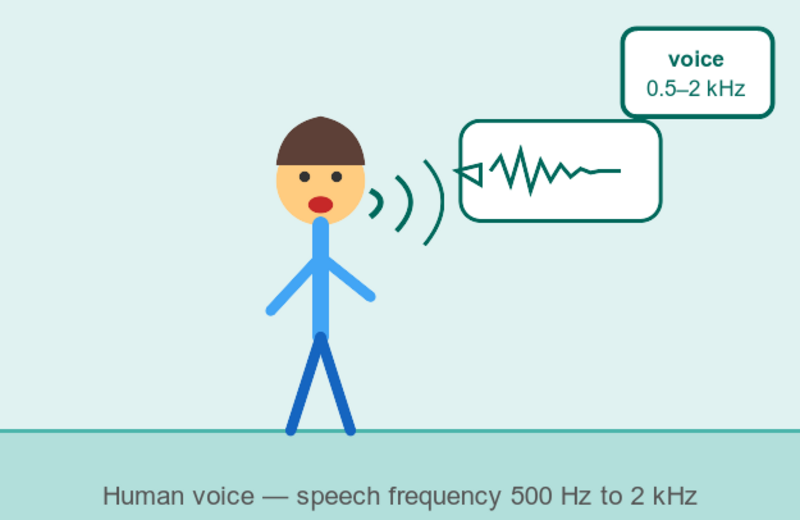
617 Hz is comparable to the range of the human speaking voice.
What does 617 Hz look like?
How to Convert Hertz to Megahertz
1 hertz = 1 × 10⁻⁶ megahertz
Megahertz = Hertz × 1 × 10⁻⁶
Example: 617 Hz × 1 × 10-6 = 0.000617 MHz
Reverse Conversion
To convert megahertz back to hertz:
- Remember, 1 megahertz equals 1000000 hertz.
- To convert 0.000617 MHz to Hz, multiply
0.000617 x 1000000, resulting in617 Hz.
617 Hz is also equal to:
- 0.617 kilohertz
- 37020 revolution per minute
About these units
Hertz: SI unit of frequency; one cycle (or event) per second. Symbol: Hz = s⁻¹
Megahertz: SI decimal multiple of hertz; 1 MHz = 1,000,000 Hz = 10⁶ Hz
Frequently Asked Questions
How much is 617 hertz in megahertz?
617 hertz equals 0.000617 megahertz. This is calculated by multiplying 617 by the conversion factor 1 × 10⁻⁶.
What does 617 hertz look like in megahertz?
617 hertz (0.000617 megahertz) is mid-range — human voice and most musical instruments.
How do you calculate 617 hertz to megahertz?
Multiply 617 by the conversion factor 1 × 10⁻⁶. The calculation is 617 × 1 × 10⁻⁶ = 0.000617 megahertz. This factor is defined by international measurement standards.
Share This Calculation
Nearby Conversions
For general conversions between hertz and megahertz, see the hertz to megahertz converter.
Also convert Hertz to:

