
248 Centimeters to Micrometers
248 cm = 2480000 μm
Calculation: μm = 248 cm × 10000 = 2480000 μm
Centimeter to Micrometer Converter
How tall is 248 cm?
248 cm is comparable to the height of a standard door (~203 cm / 6'8").
What does 248 cm look like?
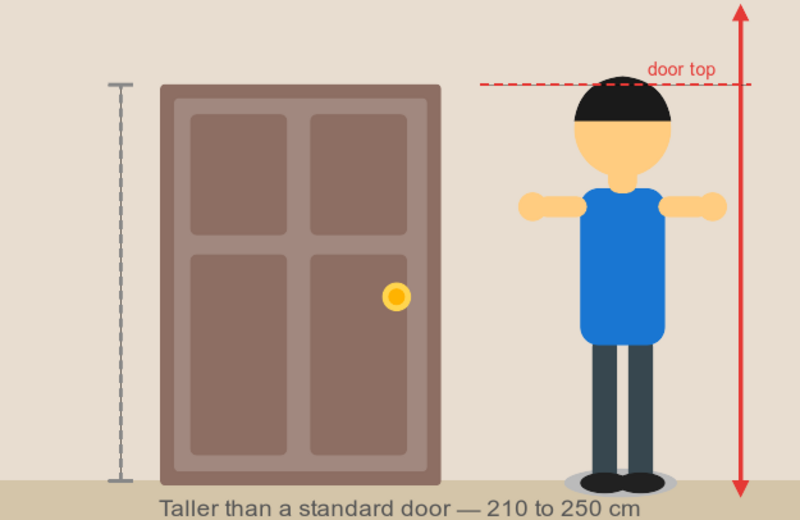
248 cm on the micrometer scale
248.0 cm = 2,480,000 μm
Did you know? Standard ceiling height is 244 cm.
Modern US homes typically have 244 cm (8 ft) ceilings. Older homes may have 270 cm (9 ft) or higher.
How to Convert Centimeter to Micrometer
1 centimeter = 10000 micrometers
Micrometer = Centimeter × 10000
Example: 248 cm × 10000 = 2480000 μm
Reverse Conversion
To convert micrometers back to centimeters:
- Remember, 1 micrometer equals 0.0001 centimeters.
- To convert 2480000 μm to cm, multiply
2480000 x 0.0001, resulting in248 cm.
248 cm is also equal to:
- 2480 millimeter
- 2.48 meter
- 0.00248 kilometer
- 97.638 inch
- 8.1365 feet
Frequently Asked Questions
How much is 248 centimeters in micrometers?
248 centimeters equals 2480000 micrometers. This is calculated by multiplying 248 by the conversion factor 10000.
What does 248 centimeters look like in micrometers?
248 centimeters (2480000 micrometers) is taller than most people — a standard door is 203 cm.
How do you calculate 248 centimeters to micrometers?
Multiply 248 by the conversion factor 10000. The calculation is 248 × 10000 = 2480000 micrometers. This factor is defined by international measurement standards.
Share This Calculation

Nearby Conversions
For general conversions between centimeters and micrometers, see the centimeters to micrometers converter.
Also convert Centimeters to:

