
50.3 Btu/hour to Watts
50.3 Btu/h ≈ 14.741 W
Calculation: W = 50.3 Btu/h × 0.293071 ≈ 14.741 W
Btu/hour to Watt Converter
How much power is 50.3 Btu/h?
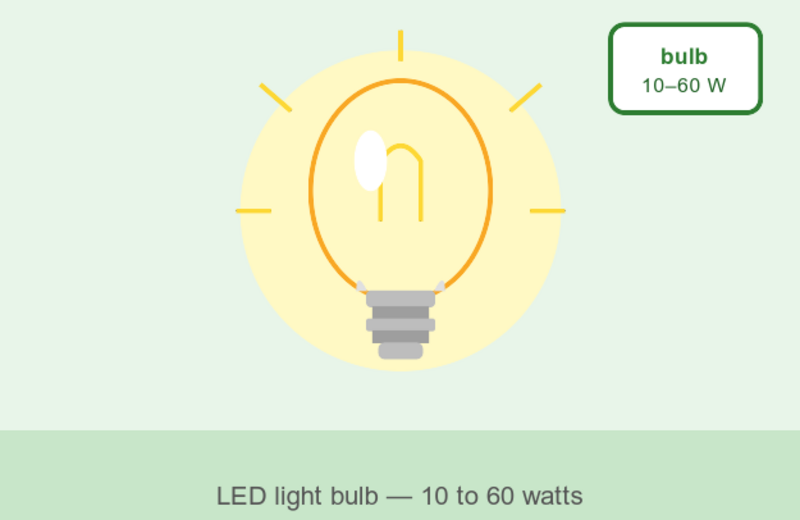
14.74 W is comparable to a light bulb.
What does 50.3 Btu/h look like?
How to Convert Btu/hour to Watt
1 Btu/hour = 0.293071 watts
Watt = Btu/hour × 0.293071
Example: 50.3 Btu/h × 0.293071 = 14.741 W
Reverse Conversion
To convert watts back to Btu/hour:
- Remember, 1 watt equals 3.41214 Btu/hour.
- To convert 14.741 W to Btu/h, multiply
14.741 x 3.41214, resulting in50.3 Btu/h.
50.3 Btu/h is also equal to:
- 0.014741 kilowatt
- 0.019761 horsepower (electric)
About these units
Btu/hour: British thermal units per hour — rate of energy transfer, commonly used in heating and cooling systems.
Watt: SI base unit of power equal to one joule per second.
Frequently Asked Questions
How much is 50.3 Btu/hour in watts?
50.3 Btu/hour equals 14.741 watts. This is calculated by multiplying 50.3 by the conversion factor 0.293071.
What does 50.3 Btu/hour look like in watts?
50.3 Btu/hour (14.741 watts) is a small space heater or a portable AC unit.
How do you calculate 50.3 Btu/hour to watts?
Multiply 50.3 by the conversion factor 0.293071. The calculation is 50.3 × 0.293071 = 14.741 watts. This factor is defined by international measurement standards.
Share This Calculation

For general conversions between Btu/hour and watts, see the Btu/hour to watts converter.
Also convert Btu/hour to:

