
29 Psi to Technical Atmospheres
29 psi ≈ 2.0389 at
Calculation: at = 29 psi × 0.070307 ≈ 2.0389 at
Psi to Technical Atmosphere Converter
How much pressure is 29 psi?
29.0 psi (200 kPa) is comparable to the pressure inside an inflated balloon or a low-pressure tire.
What does 29 psi look like?
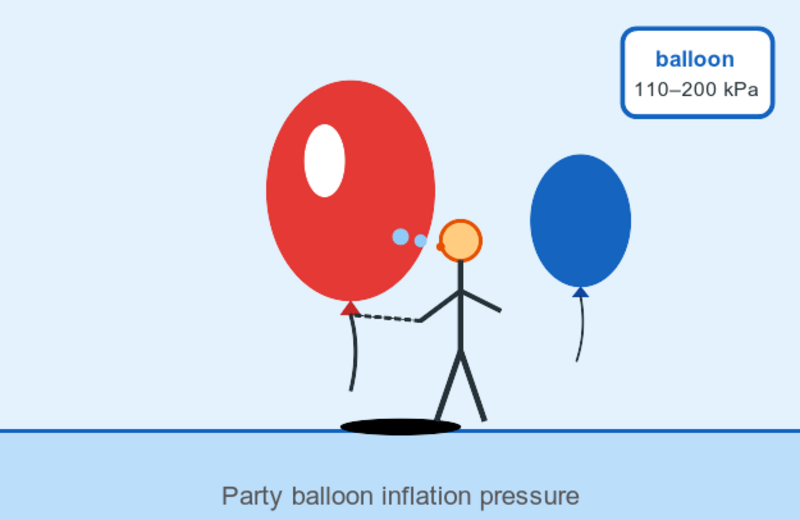
Did you know? Car tire (typical) is 230 kPa.
Most passenger cars use 200-250 kPa (29-36 psi). The correct pressure is on a sticker inside the driver's door.
How to Convert Psi to Technical Atmosphere
1 psi = 0.070307 technical atmospheres
Technical Atmosphere = Psi × 0.070307
Example: 29 psi × 0.070307 = 2.0389 at
Reverse Conversion
To convert technical atmospheres back to psi:
- Remember, 1 technical atmosphere equals 14.2233 psi.
- To convert 2.0389 at to psi, multiply
2.0389 x 14.2233, resulting in29 psi.
29 psi is also equal to:
- 199950 pascal
- 199.95 kPa
- 1.9995 bar
Frequently Asked Questions
How much is 29 psi in technical atmospheres?
29 psi equals 2.0389 technical atmospheres. This is calculated by multiplying 29 by the conversion factor 0.070307.
What does 29 psi look like in technical atmospheres?
29 psi (2.0389 technical atmospheres) is standard passenger car tire pressure range (32-35 psi typical).
How do you calculate 29 psi to technical atmospheres?
Multiply 29 by the conversion factor 0.070307. The calculation is 29 × 0.070307 = 2.0389 technical atmospheres. This factor is defined by international measurement standards.
Share This Calculation

Nearby Conversions
For general conversions between psi and technical atmospheres, see the psi to technical atmospheres converter.
Also convert Psi to:

