
501 Pascals to Lbf/ft2
501 Pa ≈ 10.464 lbf/ft²
Calculation: lbf/ft² = 501 Pa × 0.0208854 ≈ 10.464 lbf/ft²
Pascal to Lbf/ft2 Converter
How much pressure is 501 Pa?
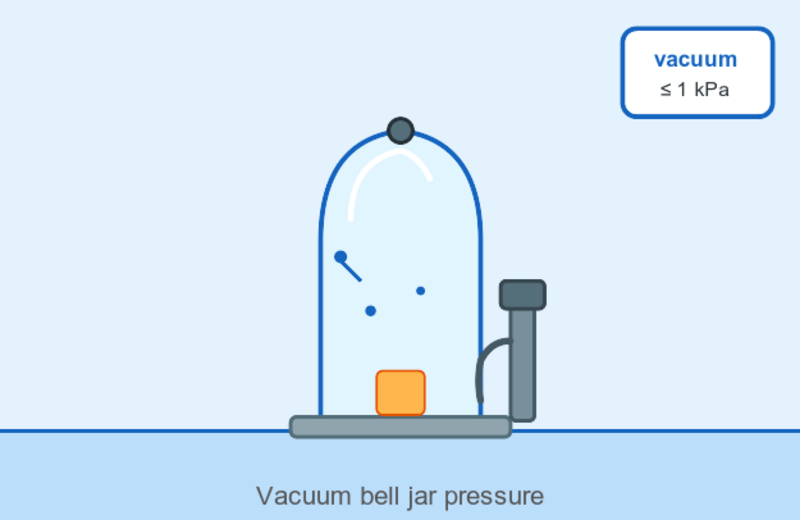
0.073 psi (0.501 kPa) is comparable to a laboratory vacuum, such as inside a glass bell jar.
What does 501 Pa look like?
How to Convert Pascal to Lbf/ft2
1 pascal = 0.0208854 lbf/ft2
Lbf/ft2 = Pascal × 0.0208854
Example: 501 Pa × 0.0208854 = 10.464 lbf/ft²
Reverse Conversion
To convert lbf/ft2 back to pascals:
- Remember, 1 lbf/ft2 equals 47.8803 pascals.
- To convert 10.464 lbf/ft² to Pa, multiply
10.464 x 47.8803, resulting in501 Pa.
501 Pa is also equal to:
- 0.501 kPa
- 0.00501 bar
- 0.072664 psi
Frequently Asked Questions
How much is 501 pascals in lbf/ft2?
501 pascals equals 10.464 lbf/ft2. This is calculated by multiplying 501 by the conversion factor 0.0208854.
What does 501 pascals look like in lbf/ft2?
501 pascals (10.464 lbf/ft2) is low pressure — sound pressure or gentle airflow.
How do you calculate 501 pascals to lbf/ft2?
Multiply 501 by the conversion factor 0.0208854. The calculation is 501 × 0.0208854 = 10.464 lbf/ft2. This factor is defined by international measurement standards.
Share This Calculation

Nearby Conversions
For general conversions between pascals and lbf/ft2, see the pascals to lbf/ft2 converter.
Also convert Pascals to:

