
64 KPa to Lbf/ft2
64 kPa ≈ 1336.7 lbf/ft²
Calculation: lbf/ft² = 64 kPa × 20.8854 ≈ 1336.7 lbf/ft²
KPa to Lbf/ft2 Converter
How much pressure is 64 kPa?
9.3 psi (64.0 kPa) is comparable to the air pressure at high altitude, roughly 1,500 to 9,000 meters above sea level.
What does 64 kPa look like?
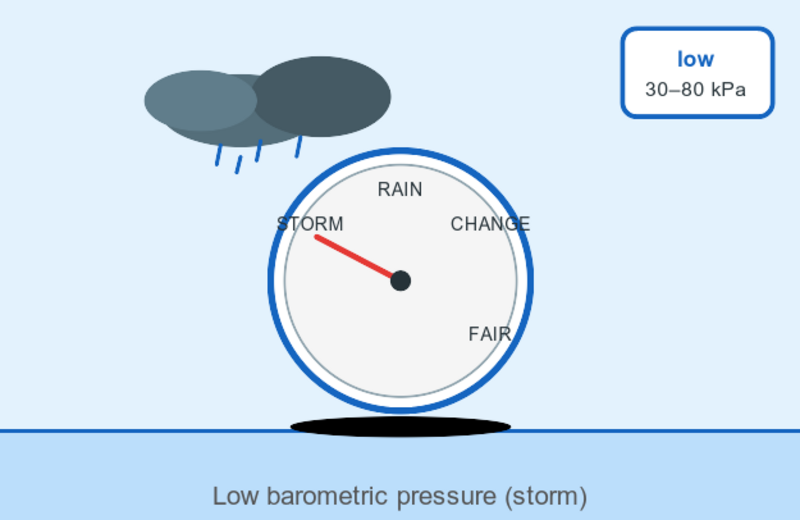
Did you know? Aircraft cabin at cruise is 75 kPa.
Airplane cabins are pressurized to ~75 kPa (10.9 psi), equivalent to about 2,400 m (8,000 ft) altitude.
How to Convert KPa to Lbf/ft2
1 kPa = 20.8854 lbf/ft2
Lbf/ft2 = KPa × 20.8854
Example: 64 kPa × 20.8854 = 1336.7 lbf/ft²
Reverse Conversion
To convert lbf/ft2 back to kPa:
- Remember, 1 lbf/ft2 equals 0.0478803 kPa.
- To convert 1336.7 lbf/ft² to kPa, multiply
1336.7 x 0.0478803, resulting in64 kPa.
64 kPa is also equal to:
- 64000 pascal
- 0.64 bar
- 9.2824 psi
Frequently Asked Questions
How much is 64 kPa in lbf/ft2?
64 kPa equals 1336.7 lbf/ft2. This is calculated by multiplying 64 by the conversion factor 20.8854.
What does 64 kPa look like in lbf/ft2?
64 kPa (1336.7 lbf/ft2) is below atmospheric pressure (101.325 kPa at sea level).
How do you calculate 64 kPa to lbf/ft2?
Multiply 64 by the conversion factor 20.8854. The calculation is 64 × 20.8854 = 1336.7 lbf/ft2. This factor is defined by international measurement standards.
Share This Calculation

Nearby Conversions
For general conversions between kPa and lbf/ft2, see the kPa to lbf/ft2 converter.
Also convert KPa to:

