
-40° Fahrenheit to Celsius
-40°F = -40°C
Formula: C = (F − 32) × 5/9
Fahrenheit to Celsius Converter
How cold is -40°F?
-40°F (-40°C) is a deep-freezer temperature used for long-term food preservation.
What does -40°F look like?
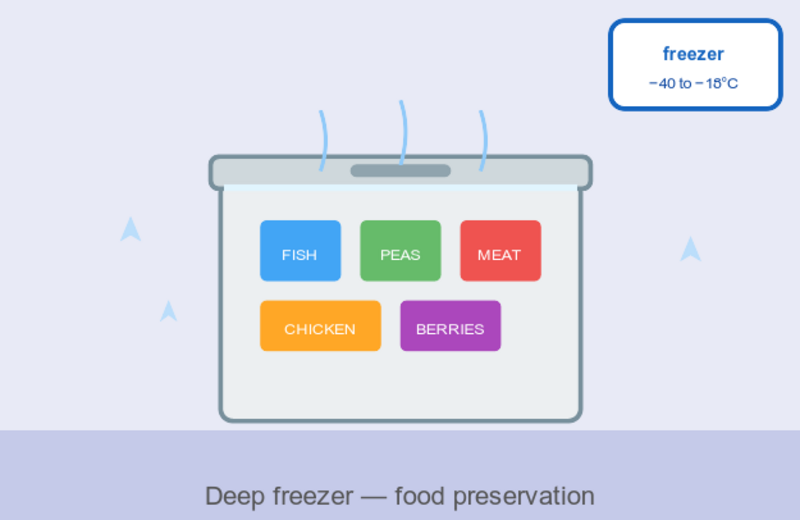
-40°F on the Celsius scale
-40°F = -40°C
Did you know? Celsius equals Fahrenheit is -40°C.
-40 is the only temperature where Celsius and Fahrenheit scales read the same number.
How to Convert Fahrenheit to Celsius
The formula is:
C = (F − 32) × 5/9
Example: -40° Fahrenheit = -40° Celsius
-40°F equals exactly -40°C — the only temperature where both Fahrenheit and Celsius scales read the same number. This extreme cold occurs in Arctic and subarctic regions and parts of interior Canada and Siberia during winter.
About these units
Fahrenheit: The degree Fahrenheit (°F) is a temperature unit in the US customary system. On this scale, the freezing point of water is 32 °F and the boiling point is 212 °F — exactly 180 degrees apart. ...
Celsius: The degree Celsius (°C) is the SI-derived unit of temperature. It is defined so that 0 °C = 273.15 K exactly, with the same unit increment as the kelvin.
Frequently Asked Questions
What is -40°F in Celsius?
-40°F equals -40°C. The formula is: C = (F − 32) × 5/9.
What does -40 degrees Fahrenheit look like in degrees Celsius?
-40°F (-40°C) is an extremely cold temperature below zero Fahrenheit.
How do you calculate -40°F to Celsius?
Use the formula: C = (F − 32) × 5/9. Applying it: -40°F = -40°C.
Share This Calculation

Nearby Conversions
Temperature conversion chart
| To Fahrenheit | To Celsius | To Kelvin | |
| From Fahrenheit (F) | F | (F - 32) × 5/9 | (F - 32) × 5/9 + 273.15 |
| From Celsius (C or o) | (C × 9/5) + 32 | C | C + 273.15 |
| From Kelvin (K) | (K - 273.15) × 9/5 + 32 | K - 273.15 | K |
For general conversions between Fahrenheit and Celsius, see the Fahrenheit to Celsius converter.
Also convert Degrees Fahrenheit to:
All unit conversions on CoolConversion use conversion factors defined or documented by internationally recognised standards bodies (such as ISO and NIST), including both SI and non-SI units.

