
247° Fahrenheit to Celsius
247°F ≈ 119.44°C
Formula: C = (F − 32) × 5/9
Fahrenheit to Celsius Converter
How hot is 247°F?
247°F (119°C) is near the boiling point of water (100°C / 212°F).
What does 247°F look like?
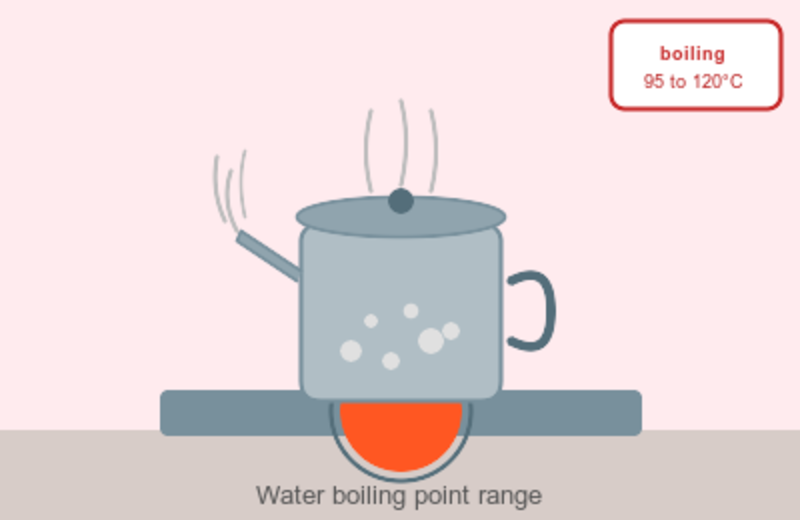
247°F on the Celsius scale
247.0°F = 119.4°C
Did you know? Pressure cooker is 120°C.
By increasing pressure, a pressure cooker raises water's boiling point to ~120°C, cooking food much faster.
How to Convert Fahrenheit to Celsius
The formula is:
C = (F − 32) × 5/9
Example: 247° Fahrenheit = 119.44° Celsius
About these units
Fahrenheit: The degree Fahrenheit (°F) is a temperature unit in the US customary system. On this scale, the freezing point of water is 32 °F and the boiling point is 212 °F — exactly 180 degrees apart. ...
Celsius: The degree Celsius (°C) is the SI-derived unit of temperature. It is defined so that 0 °C = 273.15 K exactly, with the same unit increment as the kelvin.
Frequently Asked Questions
What is 247°F in Celsius?
247°F equals 119.44°C. The formula is: C = (F − 32) × 5/9.
What does 247 degrees Fahrenheit look like in degrees Celsius?
247°F (119.44°C) is above the boiling point of water — cooking temperature range.
How do you calculate 247°F to Celsius?
Use the formula: C = (F − 32) × 5/9. Applying it: 247°F = 119.44°C.
Share This Calculation

Nearby Conversions
Temperature conversion chart
| To Fahrenheit | To Celsius | To Kelvin | |
| From Fahrenheit (F) | F | (F - 32) × 5/9 | (F - 32) × 5/9 + 273.15 |
| From Celsius (C or o) | (C × 9/5) + 32 | C | C + 273.15 |
| From Kelvin (K) | (K - 273.15) × 9/5 + 32 | K - 273.15 | K |
For general conversions between Fahrenheit and Celsius, see the Fahrenheit to Celsius converter.
Also convert Degrees Fahrenheit to:
All unit conversions on CoolConversion use conversion factors defined or documented by internationally recognised standards bodies (such as ISO and NIST), including both SI and non-SI units.

