
602 Milliliters to Cups
602 mL ≈ 2.5445 cup
Calculation: cup = 602 mL × 0.00422675 ≈ 2.5445 cup
Milliliter to Cup Converter
How much is 602 mL?
602 mL (20 fl oz) is about a standard wine bottle (750 mL / 25.4 fl oz).
What does 602 mL look like?
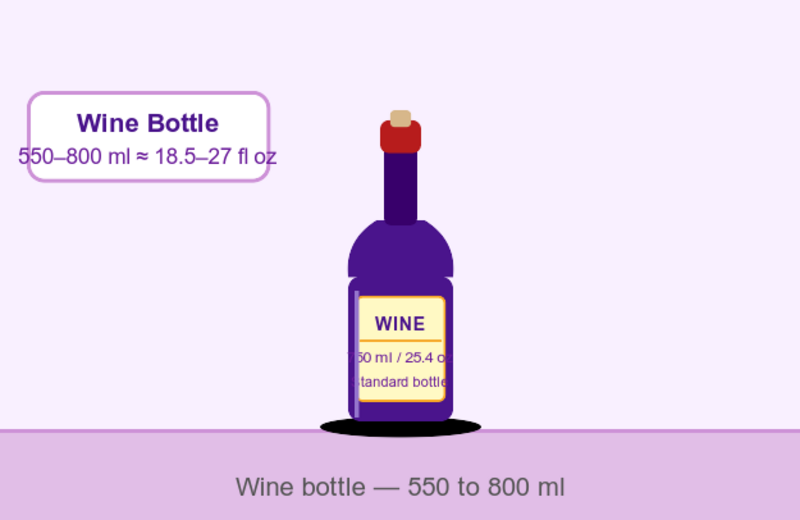
602 mL on the cup scale
602.0 mL = 2.545 cup
How to Convert Milliliter to Cup
1 milliliter = 0.00422675 cups
Cup = Milliliter × 0.00422675
Example: 602 mL × 0.00422675 = 2.5445 cup
Reverse Conversion
To convert cups back to milliliters:
- Remember, 1 cup equals 236.588 milliliters.
- To convert 2.5445 cup to mL, multiply
2.5445 x 236.588, resulting in602 mL.
602 mL is also equal to:
- 0.602 liter
- 1.2723 pint
- 0.63613 quart
- 20.356 ounce
Frequently Asked Questions
How much is 602 milliliters in cups?
602 milliliters equals 2.5445 cups. This is calculated by multiplying 602 by the conversion factor 0.00422675.
What does 602 milliliters look like in cups?
602 milliliters (2.5445 cups) is a standard water bottle or a pint.
How do you calculate 602 milliliters to cups?
Multiply 602 by the conversion factor 0.00422675. The calculation is 602 × 0.00422675 = 2.5445 cups. This factor is defined by international measurement standards.
Share This Calculation

Nearby Conversions
For general conversions between milliliters and cups, see the milliliters to cups converter.
Also convert Milliliters to:

