
48.3 Millimeters to Feet
48.3 mm ≈ 0.15846 ft
Calculation: ft = 48.3 mm × 0.00328084 ≈ 0.15846 ft
Millimeter to Foot Converter
How long is 48.3 mm?
48.3 mm (4.83 cm) is comparable to the width of a thumb or the diameter of a coin.
What does 48.3 mm look like?
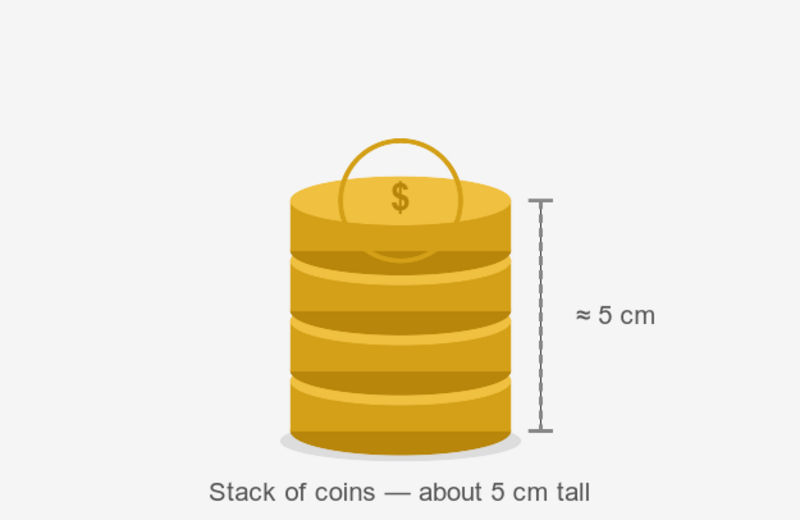
48.3 mm on the feet scale
48.3 mm = 0.1585 ft
How to Convert Millimeter to Feet
1 millimeter = 0.00328084 feet
Feet = Millimeter × 0.00328084
Example: 48.3 mm × 0.00328084 = 0.15846 ft
Reverse Conversion
To convert feet back to millimeters:
- Remember, 1 foot equals 304.8 millimeters.
- To convert 0.15846 ft to mm, multiply
0.15846 x 304.8, resulting in48.3 mm.
48.3 mm is also equal to:
- 4.83 centimeter
- 0.0483 meter
- 1.9016 inch
- 0.052822 yard
Frequently Asked Questions
How much is 48.3 millimeters in feet?
48.3 millimeters equals 0.15846 feet. This is calculated by multiplying 48.3 by the conversion factor 0.00328084.
What does 48.3 millimeters look like in feet?
48.3 millimeters (0.15846 feet) is one to four inches — a small component or connector.
How do you calculate 48.3 millimeters to feet?
Multiply 48.3 by the conversion factor 0.00328084. The calculation is 48.3 × 0.00328084 = 0.15846 feet. This factor is defined by international measurement standards.
Share This Calculation

Nearby Conversions
For general conversions between millimeters and feet, see the millimeters to feet converter.
Also convert Millimeters to:

